Respectful communication and person-centred care
Communicating in a way that suits each person, and building care around who they are.
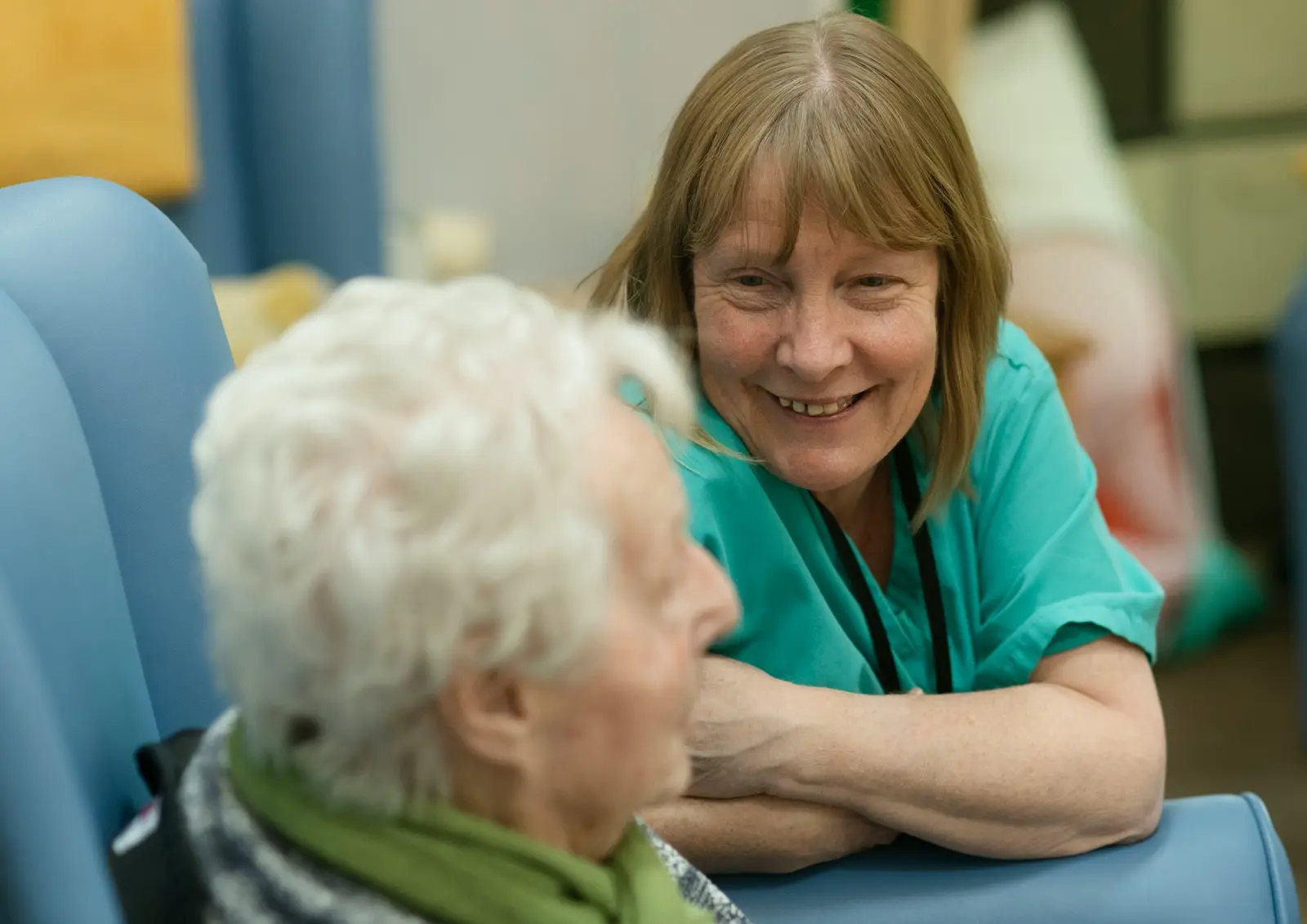
Person-centred care
Person-centred care starts with the person, not the task: their history, culture, preferences, routines and what matters to them today. The Statement of Rights includes the right to care that values and supports a person's identity, culture and background, and respects their experience, including any trauma.
Communication rights
Older people have the right to get information in a way they understand, to communicate in the language or method they prefer — including interpreters and communication aids — and to give feedback and complain without fear of being punished.
In practice
Introduce yourself and explain what you're about to do. Ask before you help. Speak to the person, not about them over their head. Use their preferred name. Allow time to answer. Check hearing aids and glasses are in and working. Never make fun of someone's background, beliefs or health, or talk down to them.
If a person wants to raise a concern or make a complaint, help them do it — including telling them about your provider's complaints process. Threatening or discouraging someone from complaining is unacceptable under the Code of Conduct.
Key points
Care should fit the person's identity, culture, preferences and experience.
People have the right to information in a way they understand and in their preferred language.
Support people to give feedback or complain — never discourage them.
Introduce and explain
Ask before you help
Support feedback and complaints
On the job
Follow your workplace procedures, product instructions and supervisor guidance. If you are unsure, stop and ask before continuing the task.
Nice work. 5 modules to go before the assessment and your certificate.
Your goal
Certificate of completion
Aged Care Awareness
Your name · unique ID · QR verification
- Ready the same day you pass
- Employers can verify it online
- A$39 one-off, only after you pass