Precautions and outbreaks
Standard precautions apply to everyone. Transmission-based precautions add controls for known or suspected infections.
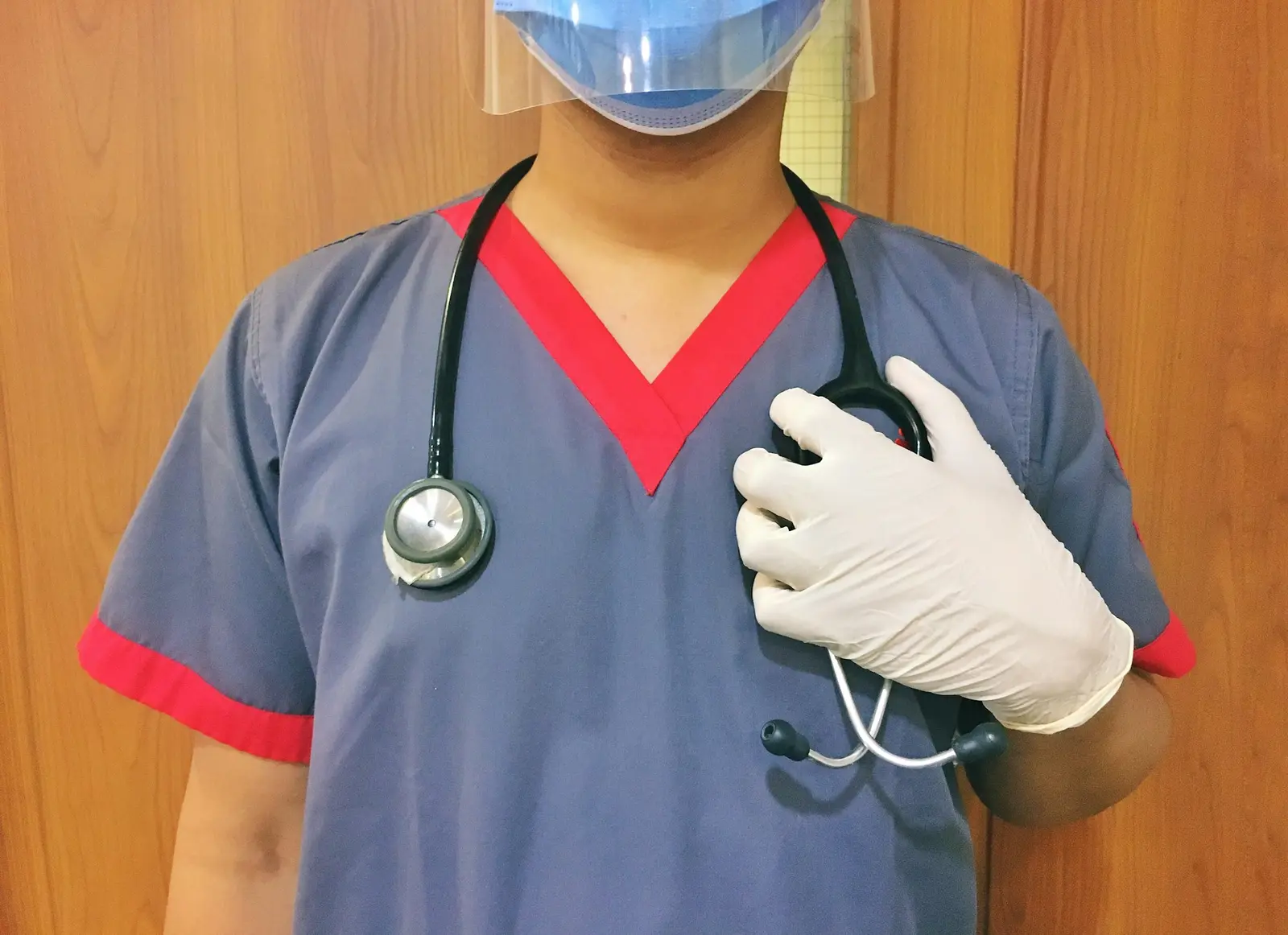
Standard precautions — every person, every time
Standard precautions are the baseline for everyone, regardless of whether an infection is known: hand hygiene, appropriate PPE, respiratory hygiene, safe handling of sharps, routine cleaning, and safe handling of linen and waste. Everything you've learned in this course is part of them.
Transmission-based precautions
When someone has a known or suspected infection that spreads in a particular way, extra precautions are added on top of standard precautions. Contact precautions focus on gloves, gowns and dedicated equipment. Droplet precautions add a surgical mask and eye protection within close range. Airborne precautions add a particulate respirator, such as a P2/N95, and may require a single room.
Look for signage on doors and care plans, and follow the precautions exactly — including when you are only 'popping in' for a moment.
Spotting and reporting outbreaks
An outbreak is more cases than expected in a group of people over a short time — for example, several residents or children with vomiting and diarrhoea within a couple of days, or a cluster of respiratory illness.
Report what you notice early to your supervisor or infection prevention lead. Outbreak management may include extra cleaning, cohorting staff, restricting visitors, testing and notifying public health authorities. Early reporting is what keeps outbreaks small.
Key points
Use standard precautions for every person, every time.
Contact, droplet and airborne precautions respond to different transmission routes.
Recognise clusters, follow escalation procedures and report concerns early.
Apply standard precautions
Add transmission controls when directed
Document and report
In childcare
Childcare
Record illness in your service's register and follow exclusion and notification requirements for conditions such as gastro.
Common mistakes
- Ignoring isolation signage for a 'quick' task.
- Waiting to see if more people get sick before reporting.
- Treating standard precautions as optional when nobody seems unwell.
On the job
Follow your workplace procedures, product instructions and supervisor guidance. If you are unsure, stop and ask before continuing the task.
Nice work. 1 module to go before the assessment and your certificate.
Your goal
Certificate of completion
Childcare & Early Learning
Your name · unique ID · QR verification
- Ready the same day you pass
- Employers can verify it online
- A$39 one-off, only after you pass